
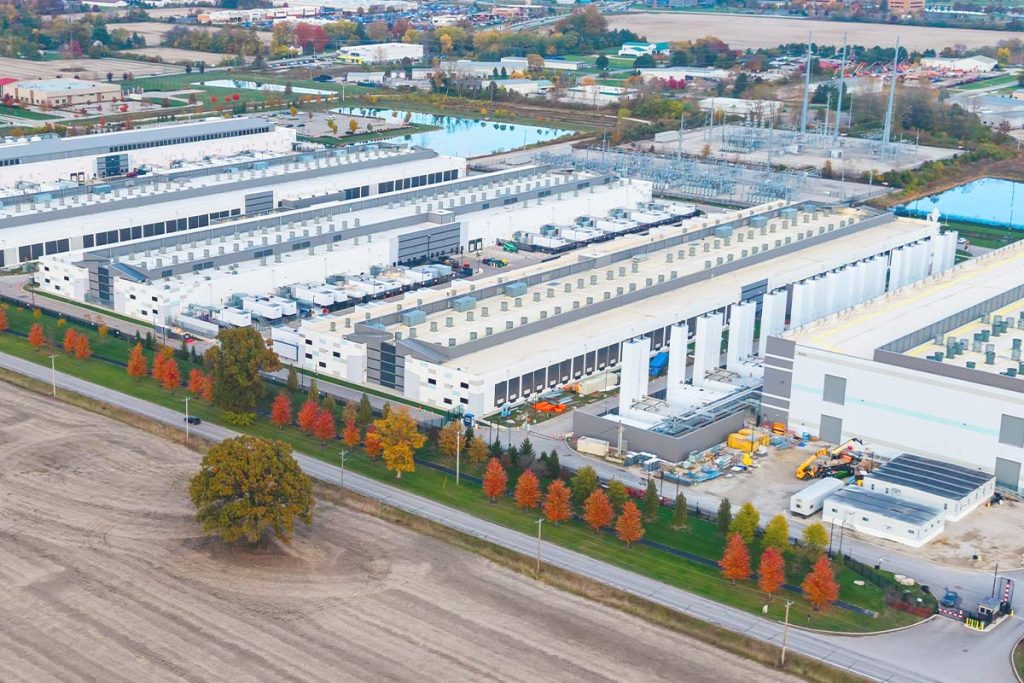
Rumors have been circulating that Atlanta has taken a hard stance against data centers. The reality is more nuanced. Atlanta has not banned data centers outright. Instead, metro city leaders have introduced targeted restrictions in specific areas, particularly those tied to neighborhoods, the Atlanta BeltLine, and Metropolitan Atlanta Rapid Transit Authority (MARTA) corridors.


This distinction is important for developers, investors, and residents alike. The data center policy reflects a growing effort to balance rapid digital infrastructure growth with community needs and long-term urban planning.
What Atlanta Actually Did
Rather than implementing a citywide ban, Atlanta focused on limiting where data centers can be built. The restrictions primarily affect:
- Areas close to residential neighborhoods
- Land surrounding the Atlanta BeltLine
- Parcels near MARTA stations and transit-oriented developments
These zones are considered high-value for mixed-use development, housing, and community-driven projects, making them less suitable for large-scale, low-employment facilities like data centers.
The goal is not to eliminate data centers, but to guide them toward more appropriate industrial or commercial zones.
Why Target These Areas?
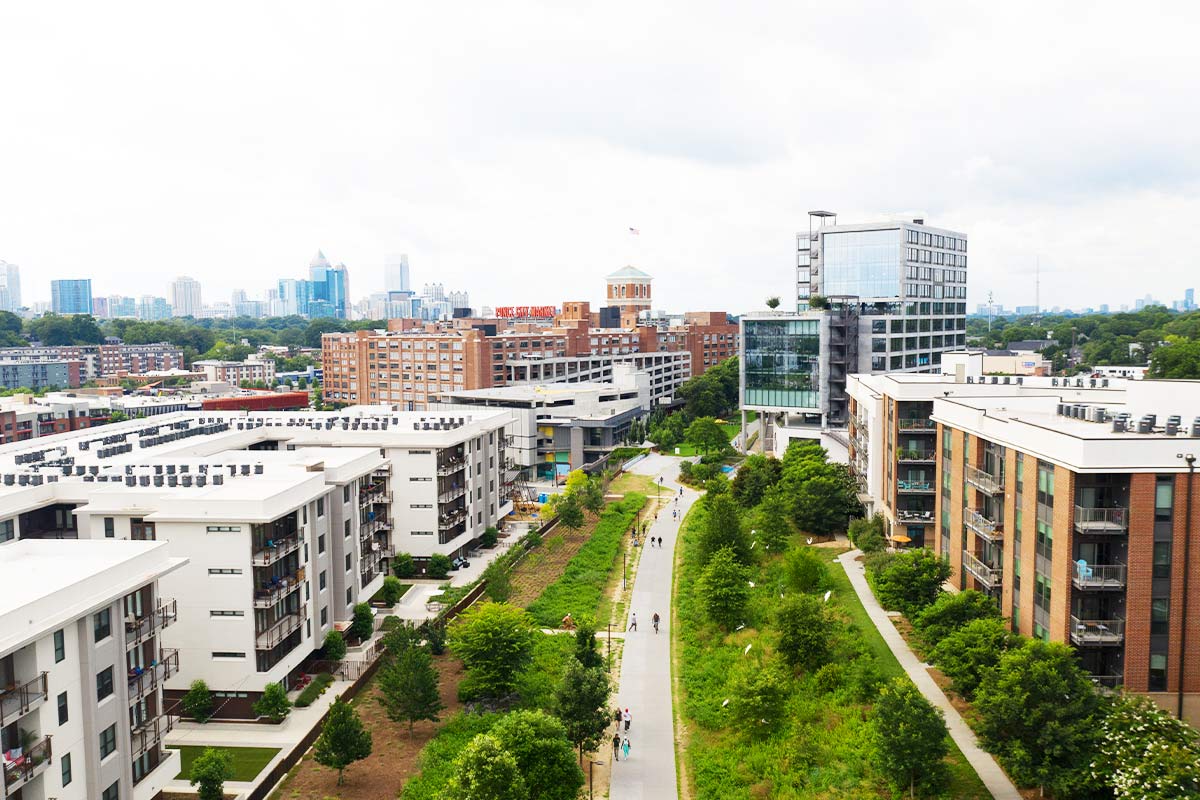
Atlanta is experiencing rapid growth, and certain corridors are seen as critical to its future. The BeltLine, for example, has become a centerpiece for:
- Walkable communities
- Retail and dining
- Green space and recreation
- Residential expansion
Similarly, MARTA-connected developments are key to reducing traffic congestion and supporting transit-oriented living.
City planners are concerned that placing data centers in these areas could:
- Limit housing development
- Reduce street-level activity
- Conflict with long-term urban design goals
The Benefits of Data Centers in Atlanta
Despite these restrictions, data centers remain a vital part of Atlanta’s economy and infrastructure.
1. Digital Backbone of the Southeast
Atlanta is one of the largest internet hubs in the U.S., and data centers power everything from cloud computing to streaming and enterprise operations.
2. Economic Investment
While they do not create large numbers of jobs, data centers bring:
- Significant capital investment
- Increased tax revenue
- Infrastructure improvements
3. Strategic Location
Atlanta’s connectivity, power availability, and business-friendly environment make it an ideal location for data center growth.
The Downsides of Data Centers and Community Concerns
The city’s targeted restrictions stem from legitimate concerns raised by residents and planners.
1. Limited Job Creation
Data centers require large footprints but employ relatively few people once operational.
2. Energy and Resource Use
They consume substantial amounts of:
- Electricity
- Water for cooling
This raises sustainability concerns, especially in dense urban areas.
3. Impact on Neighborhood Character
In high-growth areas like the BeltLine, residents worry that data centers:
- Do not contribute to walkability
- Lack street-level engagement
- Take up land that could be used for housing or retail

Finding the Balance: Coexisting with the Community
The future of data centers in Atlanta, GA is not about elimination, it is about collaboration and smarter integration.
To successfully coexist, Georgia developers should:
- Engage with local communities early in the planning process
- Incorporate better design, such as visually appealing facades and mixed-use elements
- Invest in sustainability, including renewable energy and efficient cooling systems
- Choose locations strategically, aligning with zoning and long-term city goals
The Bottom Line
Atlanta did not ban data centers. Instead, it made a strategic decision to protect key growth areas like neighborhoods, the BeltLine, and MARTA corridors from developments that may not align with their intended use.
Data centers are still essential to Atlanta’s future as a technology and business hub. The challenge moving forward is ensuring that digital infrastructure and community development grow together, not at odds.
In the end, the conversation is not about whether data centers belong in Downtown Atlanta, but where and how they fit best.
Let’s build the data centers of tomorrow – smarter, greener, and stronger. Contact Us.