

In today’s always-on digital world, every second of downtime can have significant operational and financial consequences. Whether supporting cloud computing, healthcare, banking, telecommunications, military command & control rooms or enterprise IT, modern facilities demand infrastructure construction that delivers exceptional reliability. One of the most overlooked yet essential components is Mission Critical Flooring.
Mission critical flooring is more than just a raised floor system. It is an engineered platform that supports equipment, improves airflow management, simplifies cable distribution, and enables long-term scalability. When designed correctly, it contributes to greater efficiency, improved uptime, and easier maintenance throughout the lifecycle of a data center.
If you’re planning a new facility or upgrading an existing one, selecting the right flooring system is a critical investment in your infrastructure.
What Is Mission Critical Flooring?
Mission Critical Flooring refers to specialized raised access flooring systems designed for environments where continuous operation is essential. Unlike conventional flooring, these systems are engineered to support heavy server racks, cooling equipment, power distribution, and structured cabling while maintaining accessibility beneath the floor.
These flooring systems commonly feature:
- High load-bearing floor panels
- Precision-manufactured pedestal systems
- Underfloor cable management
- Optimized airflow pathways
- ESD Static control capabilities
- Long service life with minimal maintenance
For organizations operating mission-critical facilities, the flooring system becomes part of the overall infrastructure strategy rather than simply a construction component.
For additional information about data center design best practices, the Uptime Institute offers valuable resources on resilient infrastructure: https://uptimeinstitute.com.
Why Is Construction of Mission Critical Flooring Important?
A properly engineered raised floor contributes to several key operational objectives.
Improved Cooling Efficiency
Airflow management remains one of the biggest challenges inside modern data centers. Raised flooring enables conditioned air to travel beneath the floor and be delivered precisely where it is needed through perforated or grated panels.
This targeted cooling reduces energy consumption while helping maintain optimal equipment temperatures.
Related reading on this website: Raised Floor Components & Accessories
Simplified Cable Management
Mission Critical Flooring creates an organized underfloor space for:
- Power distribution
- Network cabling
- Fiber optics
- Cooling infrastructure
Instead of running cables overhead or through crowded conduits, administrators gain convenient access for maintenance and future upgrades.
Related reading on this website: Cable Management & Accessories.
Greater Flexibility for Future Growth
Technology evolves rapidly. Data centers frequently add new racks, upgrade servers, or reconfigure equipment layouts.
Raised access flooring allows infrastructure changes without major demolition, helping organizations scale while minimizing operational disruption.
What makes 24/7 Mission Critical Flooring different from a standard commercial flooring facility?
The biggest difference is performance. Commercial flooring is designed primarily for foot traffic, while engineered to support mission-essential infrastructure.
These systems are specifically built to handle:
- Heavy rolling loads
- Concentrated equipment loads
- Continuous maintenance traffic
- Airflow management
- Electrical and networking infrastructure
- Frequent equipment upgrades
Because uptime is the priority, every component is selected for durability, reliability, and long-term performance.
Key Construction Features of High-Quality Mission Critical Flooring
Selecting the right flooring system requires evaluating several performance characteristics.
High Load Capacity
Server cabinets continue to become heavier as computing density increases. Flooring systems should support concentrated static and dynamic loads without excessive deflection.
Precision Manufacturing
Proper panel tolerances improve floor stability, reduce movement, and simplify future maintenance activities.
Anti-Static Protection
Electrostatic discharge (ESD) can damage sensitive electronic equipment. Many mission critical flooring systems incorporate conductive finishes or anti-static surfaces that help reduce electrostatic buildup.
The Electrostatic Discharge Association (ESDA) provides additional information on ESD protection standards: https://www.esda.org.
Airflow Optimization
Perforated floor panels help distribute conditioned air efficiently while supporting hot aisle/cold aisle containment strategies.
Related reading on this website: Airflow Panels.
How does Mission Critical Flooring improve energy efficiency?
One of the primary benefits is better airflow management.
Instead of flooding an entire room with conditioned air, raised flooring directs cooling exactly where servers require it. This improves cooling effectiveness while helping reduce HVAC energy consumption.
Better airflow also helps maintain consistent temperatures across equipment rows, reducing hotspots that can shorten hardware lifespan.
Industries That Depend on Mission Critical Flooring
Many sectors rely on uninterrupted operations, including:
- Enterprise data centers
- Cloud service providers
- Financial institutions
- Government agencies
- Healthcare organizations
- Telecommunications providers
- Colocation facilities
- Industrial control centers
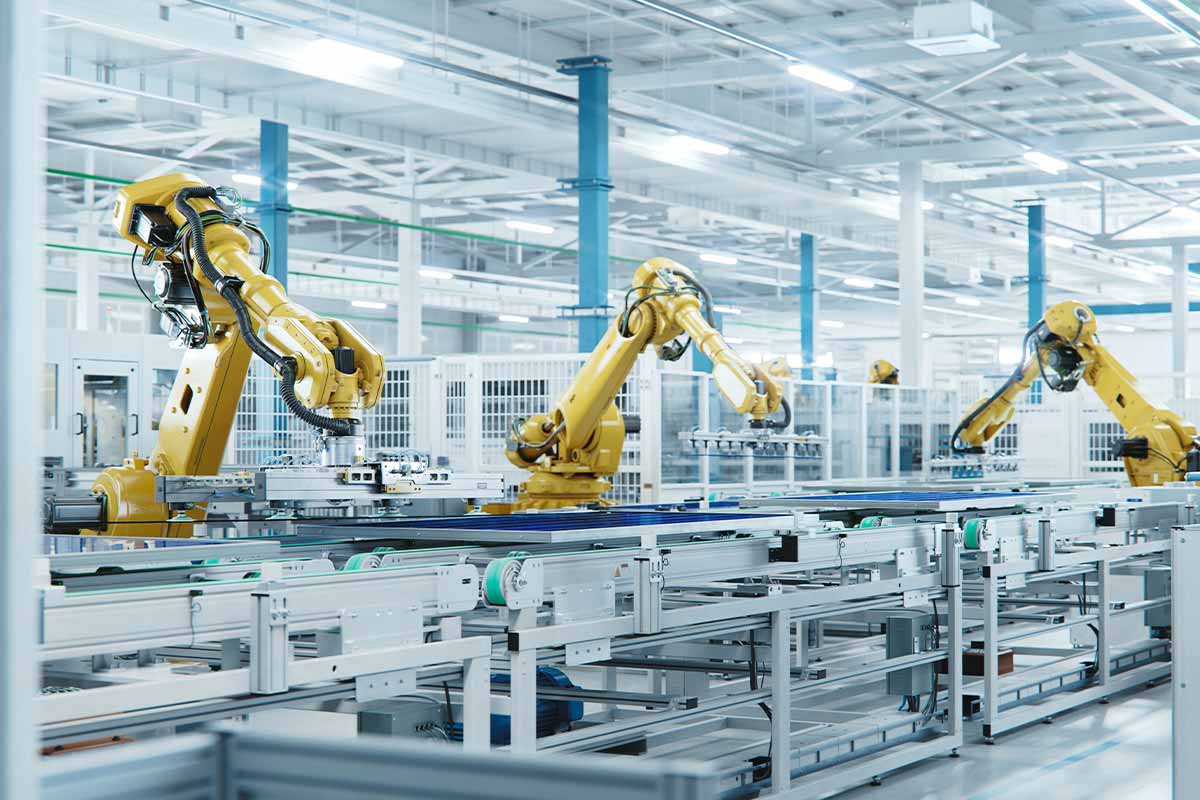
- Industrial Manufacturing
- Control Rooms & EOC’s
- Mobile Data Centers
- Forward positioned military command centers
Each of these environments requires infrastructure capable of supporting continuous operation with minimal downtime.
Is Mission Critical Flooring suitable for existing data centers?
Yes.
Many organizations retrofit raised access flooring during modernization projects. Existing facilities often benefit from improved cable organization, enhanced airflow, and easier maintenance without requiring a complete facility rebuild.
An experienced installer can help determine the most appropriate approach based on the existing infrastructure and future expansion plans.
Related reading on this website: Data Center Flooring Solutions.
Best Practices When Selecting a Mission Critical Flooring Contractor
When evaluating flooring systems and contractors, consider:
- Expected equipment loads
- Future expansion requirements
- Cooling strategy
- Underfloor cable density
- Floor height requirements
- Static control needs
- Maintenance accessibility
- Compliance with applicable industry standards
Planning for future growth often produces greater long-term value than selecting a system based solely on current requirements.
How often should Mission Critical Flooring be inspected?
Most facilities benefit from routine inspections at least annually, although high-traffic environments may require more frequent evaluations.
Inspections typically include:
- Panel condition
- Pedestal alignment
- Stringer construction & integrity
- Underfloor cleanliness
- Airflow obstructions
- Fastener security
Preventive maintenance helps identify potential issues before they affect operations.
Choosing the Right Mission Critical Flooring Partner
The quality of the flooring system is only part of the equation. Proper design, installation, and ongoing support all contribute to long-term reliability.
Working with experienced professionals ensures the flooring system is matched to your facility’s operational requirements, equipment loads, cooling strategy, and future expansion plans.
Explore the Raised Access Flooring, Airflow Panels, Understructure Systems, Installation Services, and Accessories sections throughout this website to learn how integrated flooring solutions can improve data center performance.
Conclusion
Mission Critical Flooring serves as the foundation of a resilient, efficient, and scalable data center & 24/7 facility rooms. From supporting high-density equipment to improving airflow, simplifying cable management, and enabling future growth, the right flooring system contributes directly to operational reliability.
As data centers continue to evolve, investing in a high-performance raised access flooring system helps organizations protect critical infrastructure while positioning their facilities for future demands. Whether you’re building a new data center or upgrading an existing one, choosing the right mission critical flooring solution is an investment in performance, uptime, and long-term success.